


Stafford Virginia Plumbing Repair: Know When to Call
A toilet that will not stop running can waste far more water than most homeowners realize. A small drip under the kitchen sink can quietly damage a cabinet before it ever reaches the floor. Stafford Virginia plumbing repair is usually less about dramatic problems and more about catching everyday issues before they become expensive property damage.
The right fix depends on the fixture, the age of the equipment, and what is causing the failure. Sometimes a worn part is all that is needed. Other times, putting more money into an outdated water heater, leaking faucet, or failing disposal only delays a replacement that is already due. Knowing the difference helps homeowners, landlords, and small-business operators make a sound decision.
Stafford Virginia Plumbing Repair Starts With the Signs
Plumbing problems rarely improve on their own. Some are obvious, such as water pooling around a toilet or a water heater that suddenly delivers cold water. Others show up gradually: a faucet that becomes harder to turn off, a sink that drains slower every week, or a garbage disposal that hums but no longer grinds.
Pay attention to changes in normal use. A toilet that rocks at the base, flushes weakly, or requires repeated handle jiggling needs attention. A faucet that drips after the handle is fully closed may have a worn cartridge, washer, or internal component. These repairs can be straightforward when addressed early, but the surrounding damage can grow when they are ignored.
Water should never be appearing where it does not belong. Check beneath sinks, around toilet bases, near water heaters, and inside cabinets periodically. In rental properties and small commercial spaces, a quick visual check can prevent a minor leak from becoming a repair involving flooring, drywall, or lost business time.
When a Leak Needs Immediate Attention
Turn off the local shutoff valve if water is actively leaking from a toilet, faucet supply line, or fixture connection. For a larger leak, shut off the main water supply if you can do so safely. Then remove standing water and call for service.
Do not keep tightening fittings at random or rely on tape as a long-term repair. A connection may be leaking because of a failed seal, corrosion, improper installation, or pressure on the pipe. Tightening the wrong part can crack a fitting or make the leak worse.
Repair or Replace? Make the Practical Choice
The lowest immediate price is not always the lowest overall cost. A repair makes sense when the fixture is in good condition, replacement parts are available, and the problem is isolated. Replacing equipment becomes more sensible when failures are recurring, parts are obsolete, or the fixture is worn beyond a dependable repair.
Water Heaters
A lack of hot water does not automatically mean the entire water heater has failed. Depending on the type and condition of the unit, a specific component or connection may be the issue. However, age matters. An older tank water heater that is leaking from the tank itself is generally a replacement situation, not a repair situation.
Rust-colored water, moisture around the base, rumbling noises, inconsistent hot water, and rising utility costs are all reasons to have the system checked. Waiting until a water heater fails completely can leave a household or business without hot water at the worst possible time.
When replacement is the right answer, correct sizing and installation matter. A unit that is too small can leave people waiting for hot water. One that does not fit the property’s needs can add unnecessary cost. A Master Plumber can assess the existing setup and recommend a practical replacement rather than guessing based on what is available.
Toilets
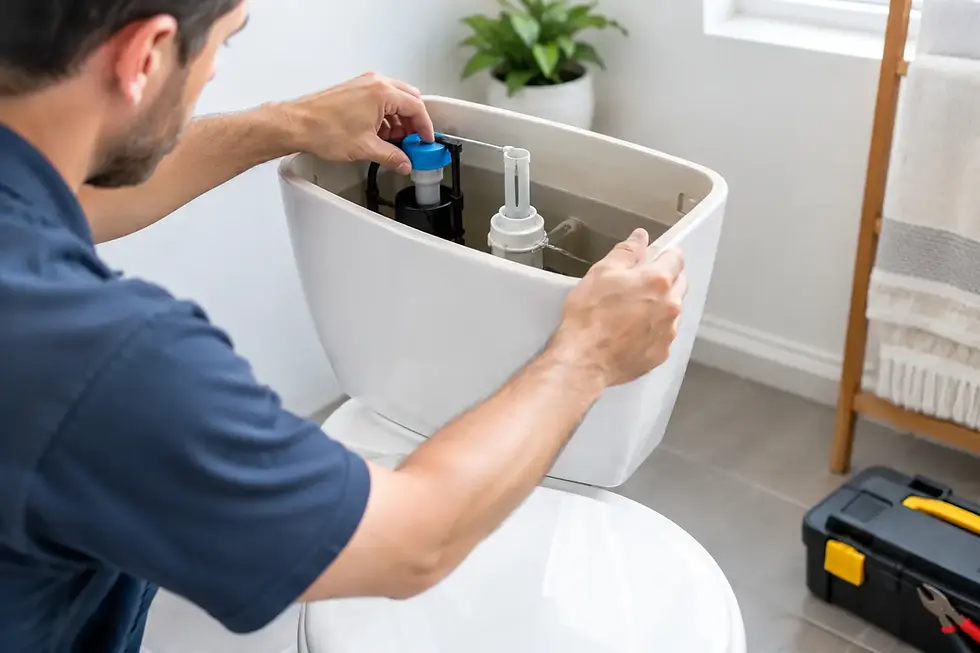
Many toilet problems come down to parts inside the tank. A flapper, fill valve, flush valve, or handle assembly can wear out over time. These are common repair items, especially when the toilet itself is stable, crack-free, and flushing properly once the internal parts are working.
Replacement should be considered when the bowl or tank is cracked, the base is damaged, the toilet rocks because of a failed installation or floor issue, or repairs keep piling up. A new toilet can also be a good choice for a bathroom renovation, a rental turnover, or a property owner who wants better water efficiency.
One warning sign deserves special attention: water around the base of the toilet. It may be caused by something as simple as condensation or a spill, but it can also point to a seal or drain connection problem. Do not assume it is harmless, particularly if the floor feels soft or the toilet moves when used.
Faucets and Garbage Disposals
A dripping faucet is more than an annoyance. It wastes water and can stain sinks, damage finishes, and create moisture inside the vanity or cabinet. Repair is often possible when the faucet body is in good shape. If corrosion, pitting, recurring leaks, or poor operation are present, replacement may provide a better long-term result.
Garbage disposals also have a clear repair-or-replace line. A jammed unit, a reset issue, or a loose connection may be repairable. A disposal that leaks from the body, has repeated electrical trouble, or makes harsh grinding sounds may be near the end of its service life. Never put hands or utensils inside a disposal, even when it appears to be off.
Minor Drain Problems Need the Right Response
A slow sink, tub, or shower drain may be caused by hair, soap buildup, grease, or debris near the fixture. Minor drain cleaning can often restore normal flow when the issue is limited and caught early.
Chemical drain cleaners are not a dependable answer. Some products can be hard on pipes, seals, and fixtures. They can also create a safety issue for anyone working on the drain afterward. If a drain repeatedly clogs, backs up into another fixture, or has an ongoing odor, the cause may be more than a simple blockage near the opening.
Use a strainer where it makes sense, keep grease and food scraps out of kitchen drains, and avoid treating the disposal like a trash can. Those habits will not prevent every clog, but they reduce the everyday buildup that causes many avoidable service calls.
What Good Plumbing Work Looks Like
A plumbing repair should do more than stop the visible symptom for a few days. It should address the cause, use the appropriate parts, and leave the fixture operating as it should. That means checking connections, confirming proper function, and making sure a repair does not create a new problem nearby.
For homeowners, that can mean a faucet that shuts off cleanly without dripping and a cabinet that stays dry. For landlords and property managers, it means reducing repeat calls and protecting the condition of the property. For a small business, it means keeping restrooms, sinks, and hot water available for employees and customers.
Experience matters most when the answer is not obvious. A Master Plumber brings the judgment to recognize whether a simple repair is appropriate, whether replacement is the smarter investment, and whether an installation needs to be corrected rather than patched again.
Prepare Before You Request Service
A few details can make it easier to get a useful quote and a faster path to repair. Note which fixture is affected, when the problem started, and whether it is getting worse. Take a photo of visible leaking, corrosion, or damage if possible. For a water heater, knowing its approximate age and whether it is gas or electric is helpful.
Be clear about what you have already tried. If you used a drain product, attempted a repair, or shut off a valve, say so. That information helps prevent wasted time and helps the plumber arrive prepared for the actual issue.
White Plumbing Company, LLC provides focused residential and small commercial plumbing work in Stafford with the personal accountability of a family-owned business. Free quotes give property owners a chance to understand the work before moving forward.
A plumbing problem does not need to become a major disruption before it deserves attention. When a fixture leaks, drains poorly, stops working, or shows signs of failure, address it while the repair is still manageable. If you want it right, call WHITE!


Comments